

Evaluation Andrea Vaccaro
Andrea Vaccaro Valuations - Want to sell a Andrea Vaccaro piece? Request a complimentary and confidential valuation!Bertolami Fine Art - Casa d'Aste will review your submission and offer a free-of-charge estimate, if your item is suitable for our auctions.
biography
Andrea Vaccaro, born in Naples on May 8, 1604, and died in the same city on January 18, 1670, was one of the leading exponents of Neapolitan Baroque painting in the 17th century. The son of Pietro and Giovanna di Clauso, he began his artistic training at the Jesuit College, then approached painting by observing the work of Belisario Corenzio and studying with Francesco Imperato. The arrival of Caravaggio in Naples marked a turning point in his career: Vaccaro absorbed his naturalistic style, becoming one of the most skilled interpreters of local Caravaggism. Later, through his friendship with Bernardo Cavallino, he approached the Bolognese classicism of Guido Reni and Domenichino, also integrating influences from the “Neo-Venetian” style of Van Dyck. His output, mainly religious, includes works such as Saint Benedict in the church of San Potito, the Crucifixion of the Lord at San Tommaso d’Aquino, the Magdalene in the Certosa di San Martino, and canvases for the church of Santissima Trinità degli Spagnoli. Less frequent but significant are his forays into secular and mythological themes, such as Rinaldo and Armida and Orpheus and the Bacchantes. Having survived the plague of 1656, he became the leading painter in Naples before the rise of Luca Giordano. In addition to his artistic activity, he was also an art dealer and in 1666 founded the Congregation of Saint Luke, an art school that taught anatomy, perspective, mythology, and history. Critics have sometimes underestimated him as a mere “imitator,” but today he is recognized as a key figure of the Neapolitan school, highly sought after by ecclesiastical, aristocratic, and Spanish religious orders.
Past lots of Andrea Vaccaro
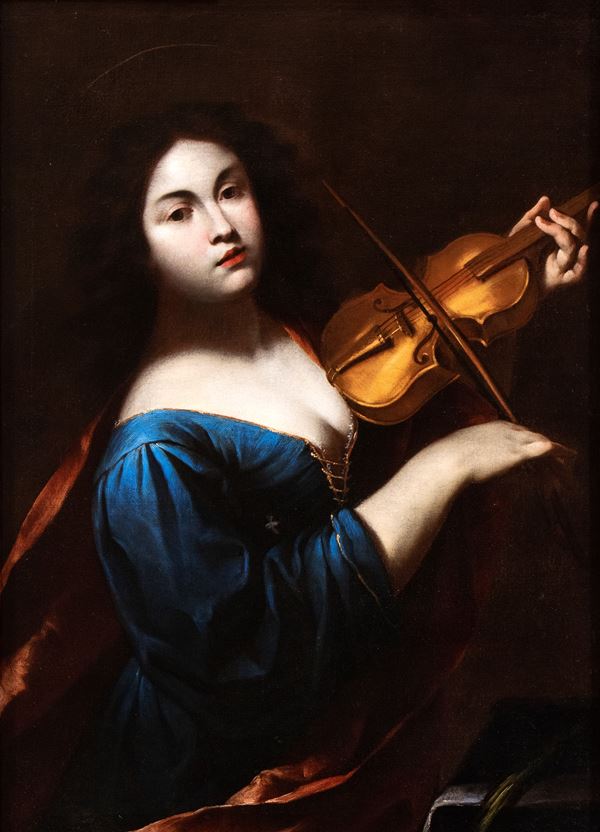
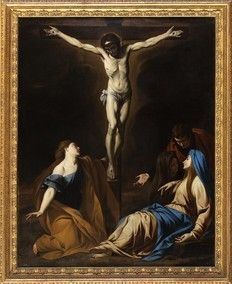
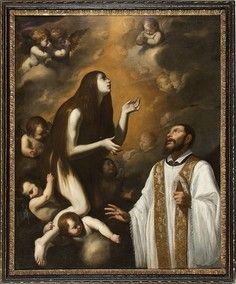
Andrea Vaccaro
(Napoli, 1604 - Napoli, 1670)
Attributed to
Saint Cecilia or Allegory of Music
COMPARATIVE LITERATURE: R. Lattuada, "I percorsi di Andrea Vaccaro", in M. Izzo, Nicola Vaccaro (1640-1709) , Todi 2009, [..]
Sold
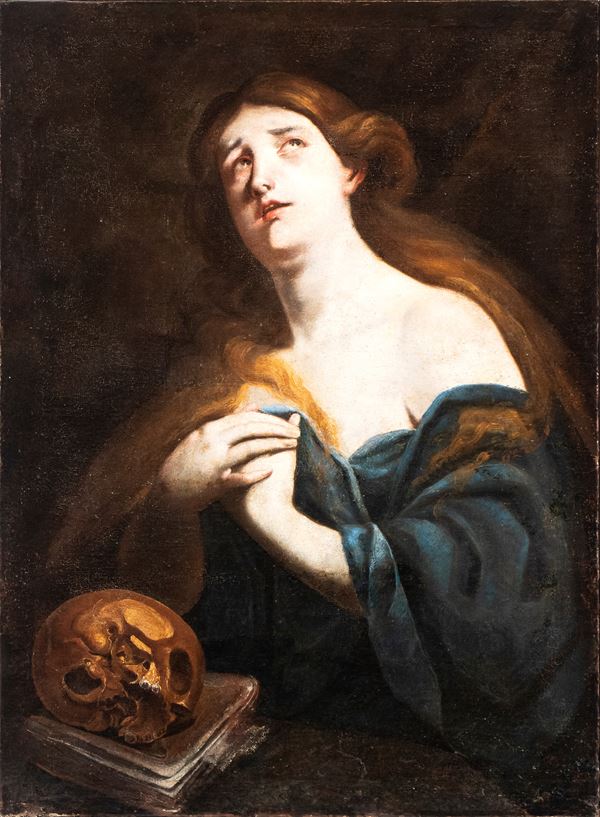
Andrea Vaccaro
(Napoli, 1604 - Napoli, 1670)
Circle of
Penitent Magdalene
The painting is on the original canvas. Oil on canvas cm. 103x76
Sold
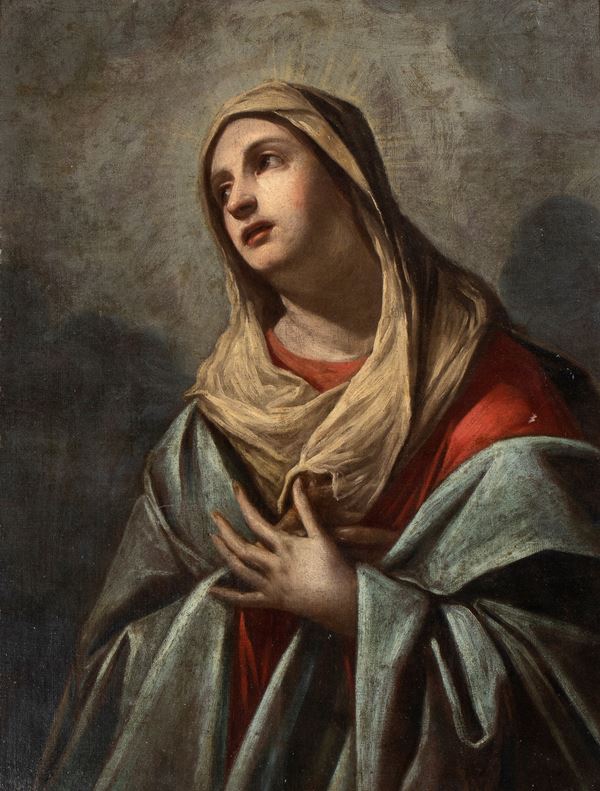
Andrea Vaccaro
(Napoli, 1604 - Napoli, 1670)
Sphere of
The Virgin in Prayer
Oil on canvas 92x72 cm. Framed
Sold
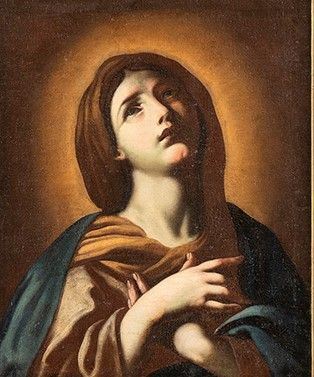
Andrea Vaccaro
(Napoli, 1604 - Napoli, 1670)
Sphere of
Vergine orante...
Andrea Vaccaro
(Napoli, 1604 - Napoli, 1670)
Crocifissione...
Andrea Vaccaro
(Napoli, 1604 - Napoli, 1670)