
388
CASTELLANIAttributed to
Gold and Micromosaic Greek Cross Brooch with the Early Christian ΙΧΘΥΣ Inscription, Rome, circa 1860–1880
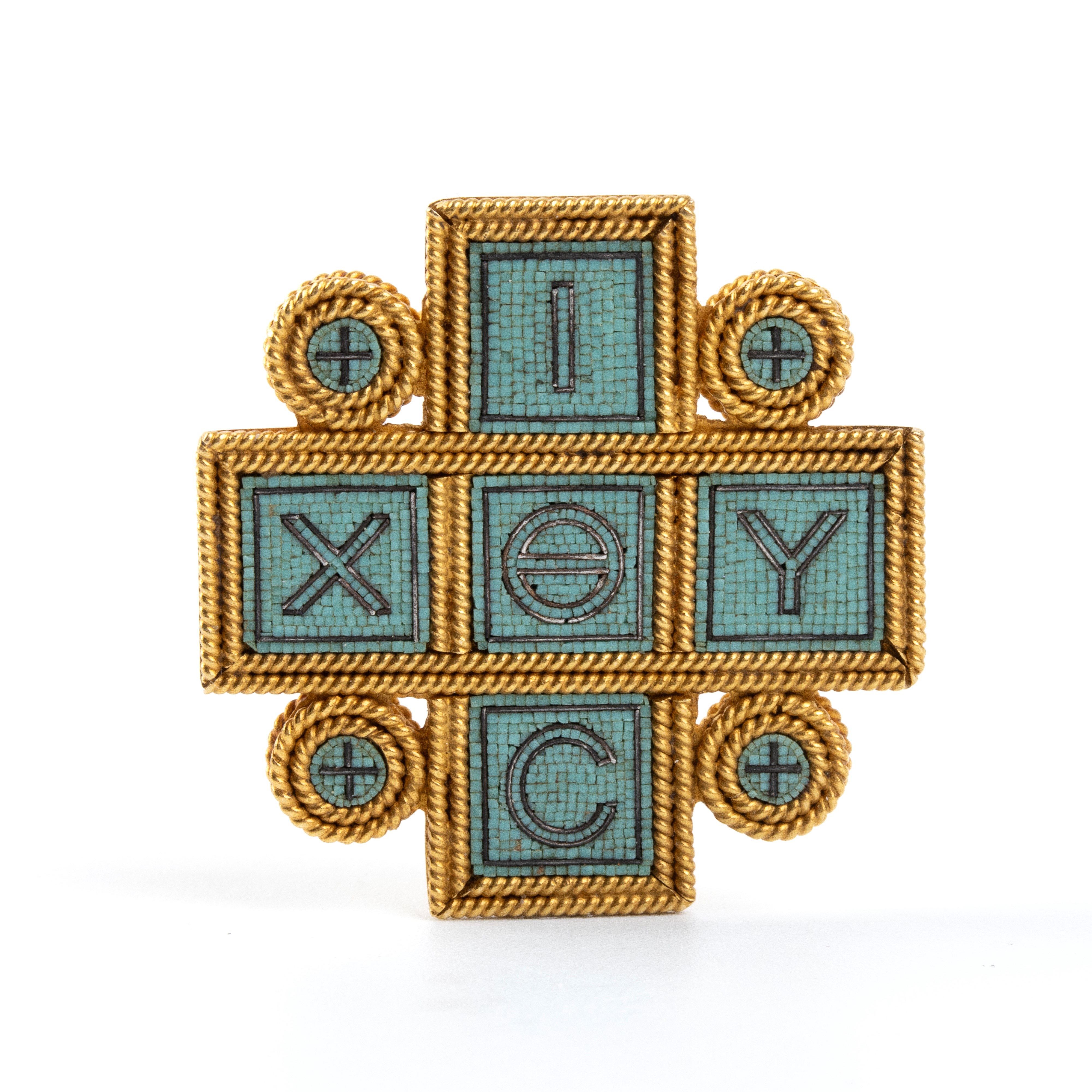
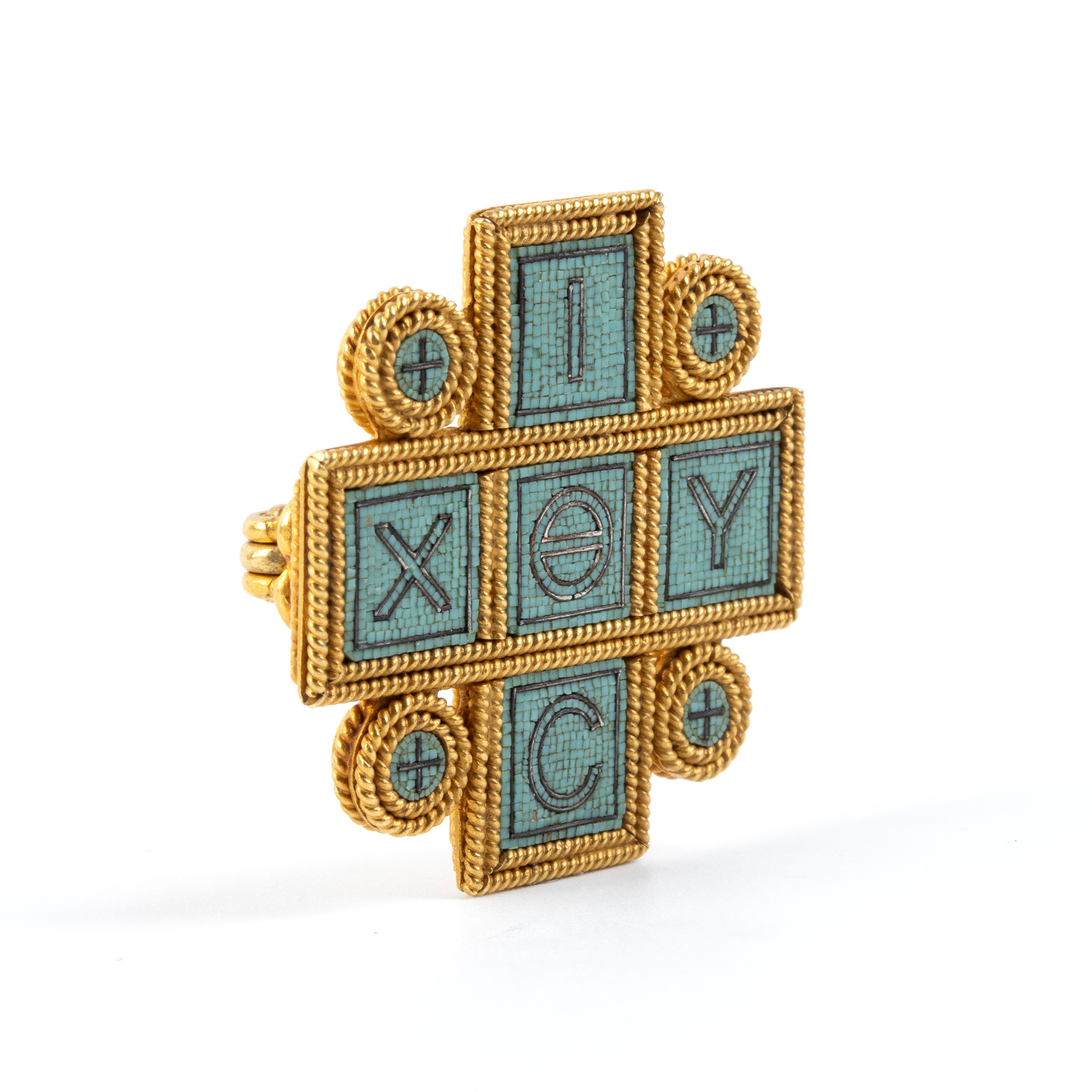
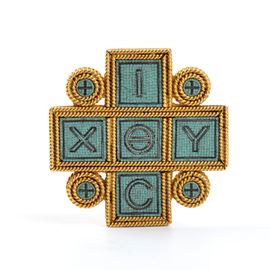
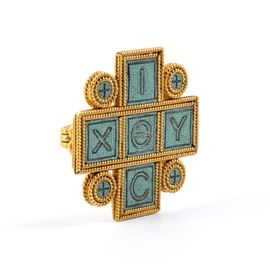
Brooch of exceptional workmanship, designed in the form of a Greek cross and mounted in finely crafted gold with twisted ropework borders. The composition is formed of five square panels and four circular elements arranged between the arms of the cross, each likewise framed by twisted gold wire.
The front surfaces are entirely decorated with an exceptionally fine micromosaic composed of minute turquoise-blue glass tesserae, within which delicate metallic fillets outline the Greek letters Ι – Χ – Θ – Υ – Σ (Ichthys), the celebrated early Christian acrostic for Ἰησοῦς Χριστὸς Θεοῦ Υἱὸς Σωτήρ ("Jesus Christ, Son of God, Saviour").
The arrangement of the letters across the arms of the cross constitutes an iconographic solution of remarkable elegance, directly inspired by Early Christian and Byzantine artistic traditions, which were extensively studied and reinterpreted by the Roman archaeological revival jewellers of the second half of the nineteenth century.
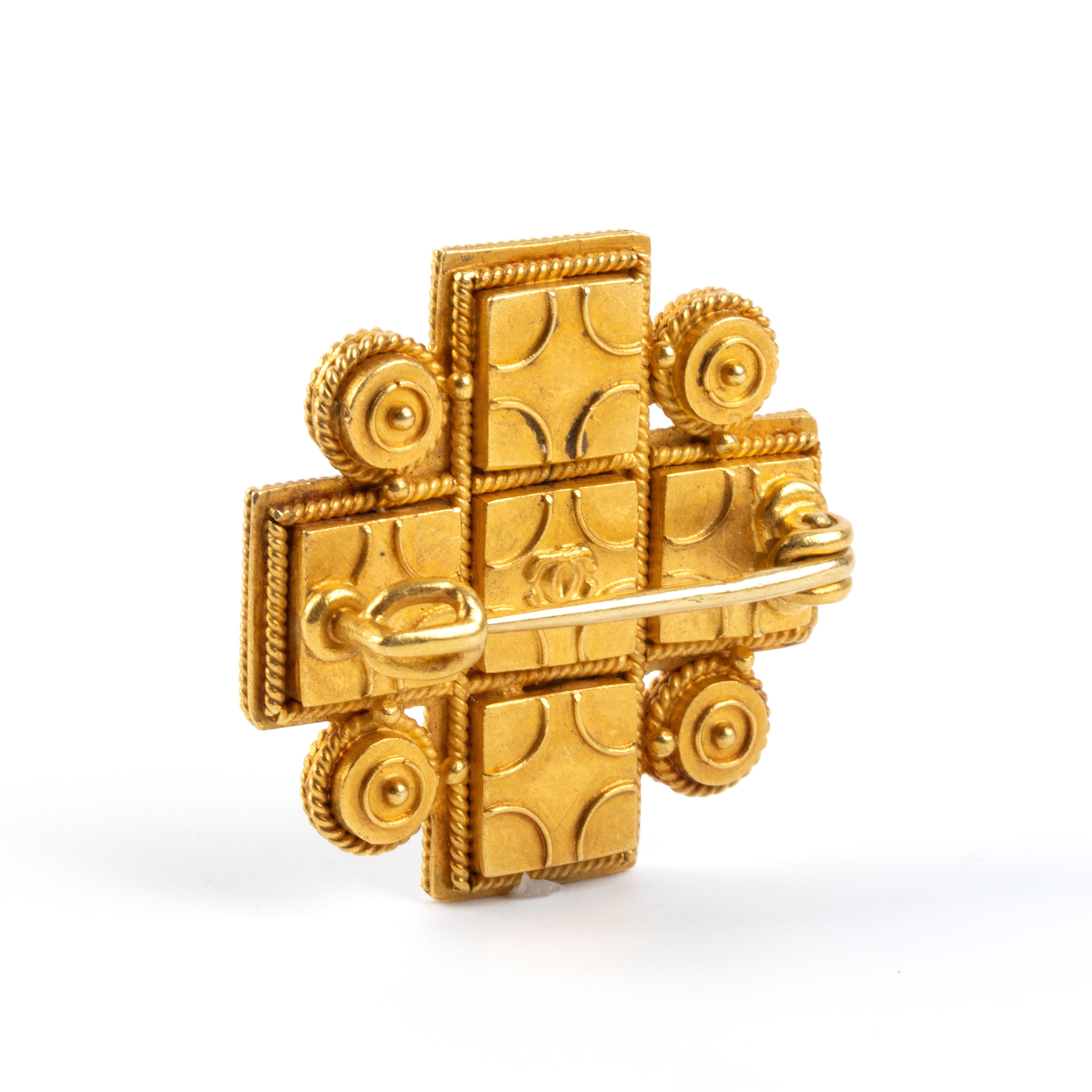
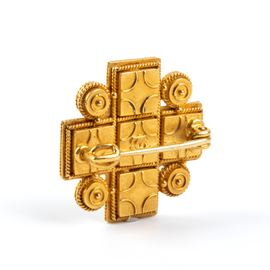
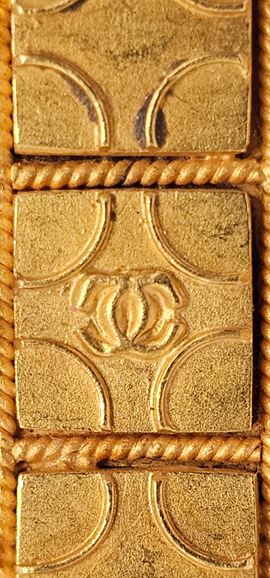
The reverse displays construction of outstanding quality, each individual element being separately finished and decorated with finely engraved geometric motifs.
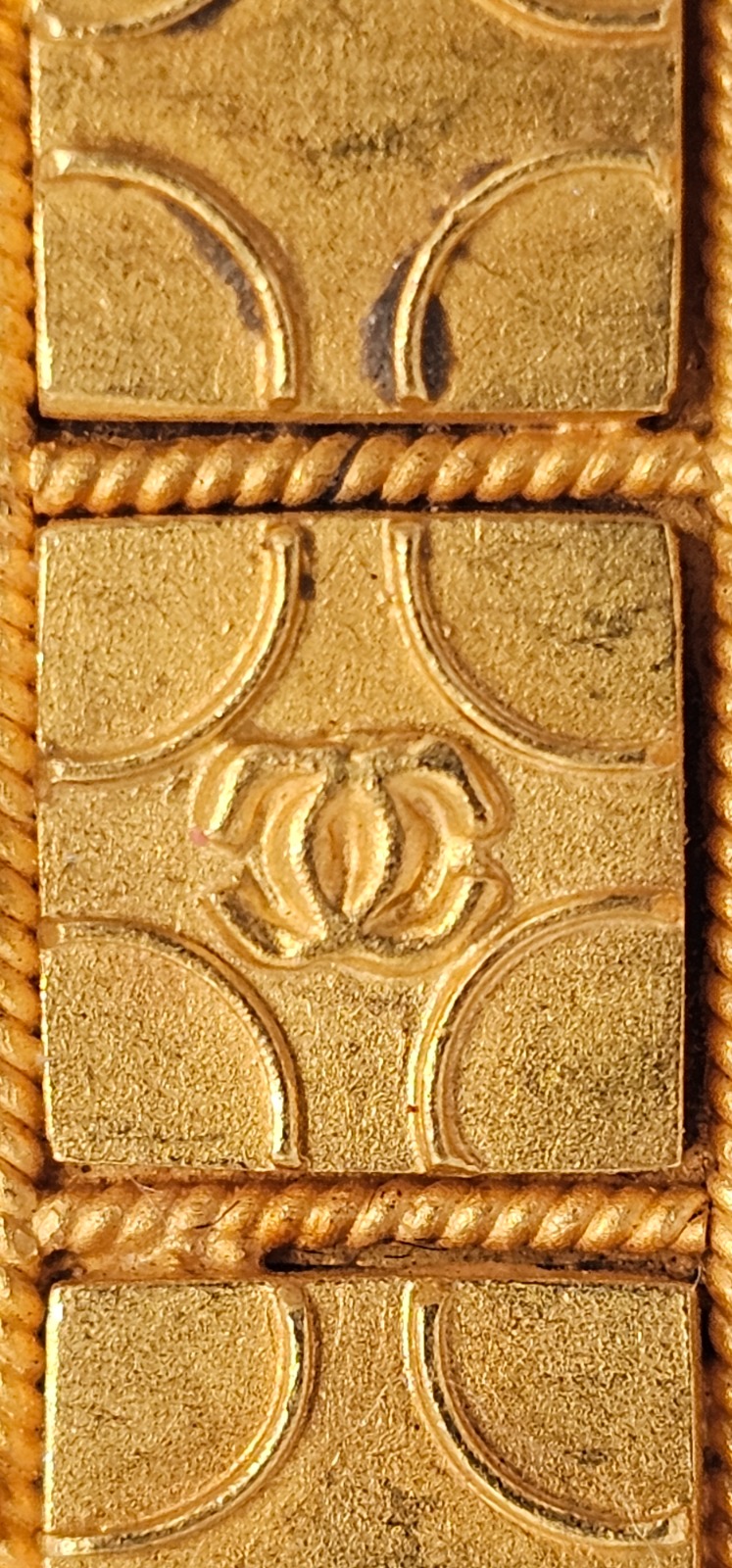
The small raised monogram on the reverse, although no longer perfectly legible owing to wear, appears compatible with the intertwined double-C mark traditionally associated with the Castellani workshop.
The exceptional quality of execution, the refined micromosaic technique, the use of the ΙΧΘΥΣ acrostic, the Greek-cross design, and the close stylistic comparisons with examples preserved in the Metropolitan Museum of Art and the British Museum strongly support an attribution to the celebrated Roman Castellani workshop, or to its immediate artistic circle.
From both a stylistic and technical standpoint, the present brooch finds particularly close parallels with Roman micromosaic jewels in the collections of the Metropolitan Museum of Art and the British Museum, which share the same use of Greek inscriptions, Early Christian iconography, twisted ropework borders and highly accomplished mosaic workmanship. Castellani's production is renowned for its sophisticated reinterpretation of Etruscan, Roman, Byzantine and Medieval goldsmiths' work, achieved through collaboration with the finest Roman mosaicists, among them Luigi Podio.
The ΙΧΘΥΣ acrostic, one of the earliest and most significant symbols of Christianity, represents a subject of exceptional historical and cultural importance. Its appearance in nineteenth-century jewellery is exceedingly rare and is entirely consistent with the iconographic repertoire cultivated by the Castellani workshop.
Dimensions: 3 × 3 cm. Weight: 15 g.
The front surfaces are entirely decorated with an exceptionally fine micromosaic composed of minute turquoise-blue glass tesserae, within which delicate metallic fillets outline the Greek letters Ι – Χ – Θ – Υ – Σ (Ichthys), the celebrated early Christian acrostic for Ἰησοῦς Χριστὸς Θεοῦ Υἱὸς Σωτήρ ("Jesus Christ, Son of God, Saviour").
The arrangement of the letters across the arms of the cross constitutes an iconographic solution of remarkable elegance, directly inspired by Early Christian and Byzantine artistic traditions, which were extensively studied and reinterpreted by the Roman archaeological revival jewellers of the second half of the nineteenth century.
The reverse displays construction of outstanding quality, each individual element being separately finished and decorated with finely engraved geometric motifs.
The small raised monogram on the reverse, although no longer perfectly legible owing to wear, appears compatible with the intertwined double-C mark traditionally associated with the Castellani workshop.
The exceptional quality of execution, the refined micromosaic technique, the use of the ΙΧΘΥΣ acrostic, the Greek-cross design, and the close stylistic comparisons with examples preserved in the Metropolitan Museum of Art and the British Museum strongly support an attribution to the celebrated Roman Castellani workshop, or to its immediate artistic circle.
From both a stylistic and technical standpoint, the present brooch finds particularly close parallels with Roman micromosaic jewels in the collections of the Metropolitan Museum of Art and the British Museum, which share the same use of Greek inscriptions, Early Christian iconography, twisted ropework borders and highly accomplished mosaic workmanship. Castellani's production is renowned for its sophisticated reinterpretation of Etruscan, Roman, Byzantine and Medieval goldsmiths' work, achieved through collaboration with the finest Roman mosaicists, among them Luigi Podio.
The ΙΧΘΥΣ acrostic, one of the earliest and most significant symbols of Christianity, represents a subject of exceptional historical and cultural importance. Its appearance in nineteenth-century jewellery is exceedingly rare and is entirely consistent with the iconographic repertoire cultivated by the Castellani workshop.
Dimensions: 3 × 3 cm. Weight: 15 g.
Literature:
Susan Weber Soros, Stefanie Walker (a cura di), Castellani and Italian Archaeological Jewelry, Bard Graduate Center / Yale University Press, 2004.
Charlotte Gere, Judy Rudoe, Jewellery in the Age of Queen Victoria: A Mirror to the World, British Museum Press, 2010.
Geoffrey C. Munn, Castellani and Giuliano: Revivalist Jewellers of the Nineteenth Century.
Susan Weber Soros, Stefanie Walker (a cura di), Castellani and Italian Archaeological Jewelry, Bard Graduate Center / Yale University Press, 2004.
Charlotte Gere, Judy Rudoe, Jewellery in the Age of Queen Victoria: A Mirror to the World, British Museum Press, 2010.
Geoffrey C. Munn, Castellani and Giuliano: Revivalist Jewellers of the Nineteenth Century.
Bid history:
€ 6.000,00 / 8.000,00
Estimate
1.000,00 €
Starting price
€
Your bid
(The reserve price has not been exceeded)
(The reserve price has been exceeded)
Set your maximum bid
Live auction 395
JEWELLERY, WATCHES, CARVED CORALS, SILVER OF THE 20th CENTURY
Palazzo Caetani Lovatelli, tue 22 - wed 23 September 2026
FIRST SESSION
22/09/2026 Hours 03:00 pm
Lots 1/438
SECOND SESSION
23/09/2026 Hours 03:00 pm
Lots 439/631
Discover Similar Lots
JEWELLERY, WATCHES, CARVED CORALS, SILVER [..]
Lot 391
Archaeological-style circular gold brooch
JEWELLERY, WATCHES, CARVED CORALS, SILVER [..]
Lot 312
Brooch in gilded silver, gold, enamel, rubies, emeralds and diamonds
JEWELLERY, WATCHES, CARVED CORALS, SILVER [..]
Lot 233
Italian gold choker with a diamond cross
JEWELLERY, WATCHES, CARVED CORALS, SILVER [..]
Lot 588
CUSI
Italian solidf silver turtle-shaped box
JEWELLERY, WATCHES, CARVED CORALS, SILVER [..]
Lot 349
Mediterranean coral gold and silver ring
JEWELLERY, WATCHES, CARVED CORALS, SILVER [..]
Lot 362
Cerasuolo coral gold pin
JEWELLERY, WATCHES, CARVED CORALS, SILVER [..]
Lot 321
Enamel diamond crab gold pin
JEWELLERY, WATCHES, CARVED CORALS, SILVER [..]
Lot 29
CHANTECLER
Diamond gold necklace
JEWELLERY, WATCHES, CARVED CORALS, SILVER [..]
Lot 299
Turquoise diamond gold silver ring
JEWELLERY, WATCHES, CARVED CORALS, SILVER [..]
Lot 311